 Record of Processing Activities
 Transfer Impact Assessment
 Privacy Impact Assessment
 Cybersecurity Controls
 Cybersecurity Risk Management
 Asset Inventory Management
 Interactive Awareness Program








Exploring the Future of XR in Europe: Key Takeaways from XR Futures Conference 2026
Highlights from XR Futures Conference 2026 in Berlin, where educators, researchers, and industry leaders explored how Extended Reality is reshaping learning, workforce development, and digital transformation across Europe.
Berlin became a hub for immersive technology innovation on June 4th, when professionals from education, research, industry, and the XR community gathered for XR Futures Conference 2026: Education, Innovation and Industry in Europe at FORUM Factory.
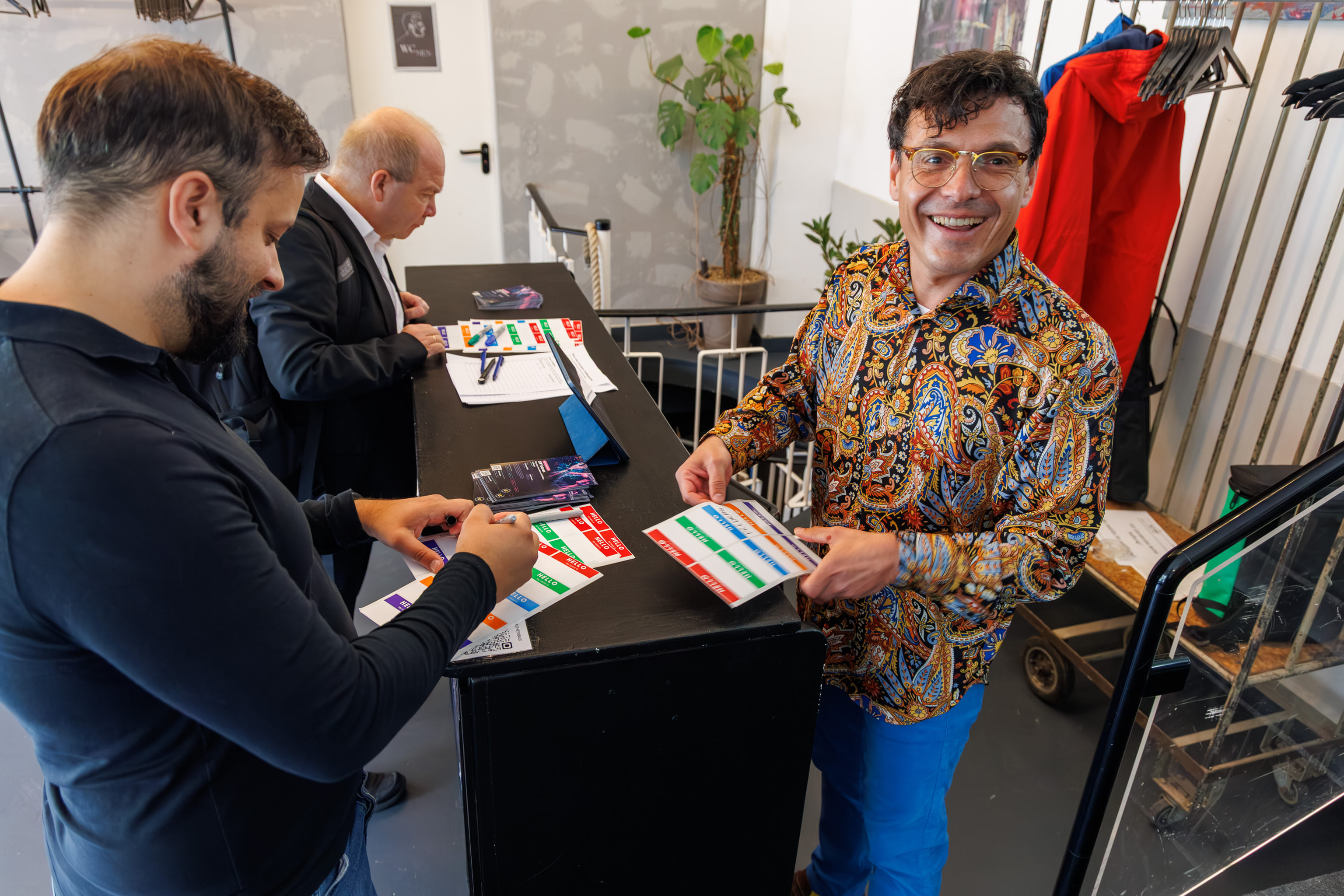
Hosted by the Virtual Innovation Consortium (VIC), the event brought together a diverse audience of educators, researchers, innovators, students, and business leaders to explore how Extended Reality (XR) is reshaping the future of learning, workforce development, and digital transformation across Europe.
Building Stronger Connections Between Education and Industry
One of the central themes throughout the conference was the growing need for collaboration between academia and industry. Speakers highlighted how partnerships, skills initiatives, and innovation ecosystems are helping accelerate XR adoption while preparing the next generation of talent for emerging digital careers.

The Power of Immersive Learning
Sessions on gamification, serious games, and motivational design demonstrated how immersive technologies are changing educational experiences. Experts showcased how XR-powered learning environments can increase engagement, improve knowledge retention, and create more meaningful training outcomes.
Navigating Europe’s XR Landscape
Industry discussions focused on the latest XR trends, challenges, and opportunities shaping the European ecosystem. Participants explored the importance of developing common frameworks and collaborative approaches that support sustainable innovation and long-term growth across the sector.

Open-Source Tools Driving Innovation
A standout presentation from MindPort GmbH highlighted the potential of open-source XR development through VR Builder. The session demonstrated how accessible tools can help researchers, educators, and organisations rapidly develop and scale immersive experiences.
XR as a Driver of Business Transformation
Real-world industry applications took centre stage as Invelon Technologies shared examples of how virtual reality is improving training, streamlining operations, and supporting digital transformation initiatives across multiple sectors.
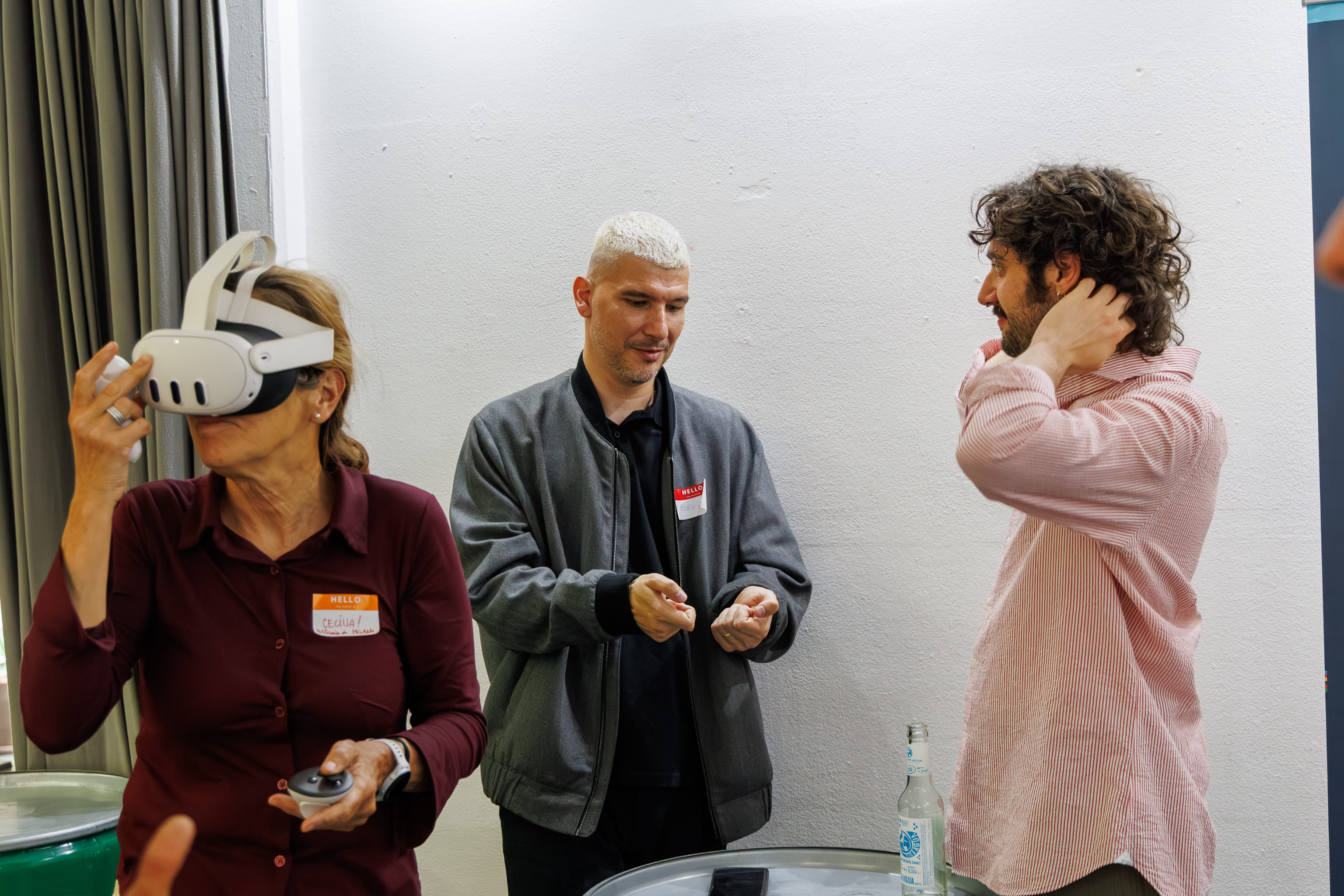
As XR technologies continue to evolve, events like XR Futures Conference 2026 play a vital role in bringing together the people and ideas that will shape Europe’s digital future. The conversations, collaborations, and insights shared throughout the day reinforced one clear message: immersive technologies are no longer a vision of tomorrow — they are actively transforming the way we learn, work, and innovate today.
Annual Consortium Workshop
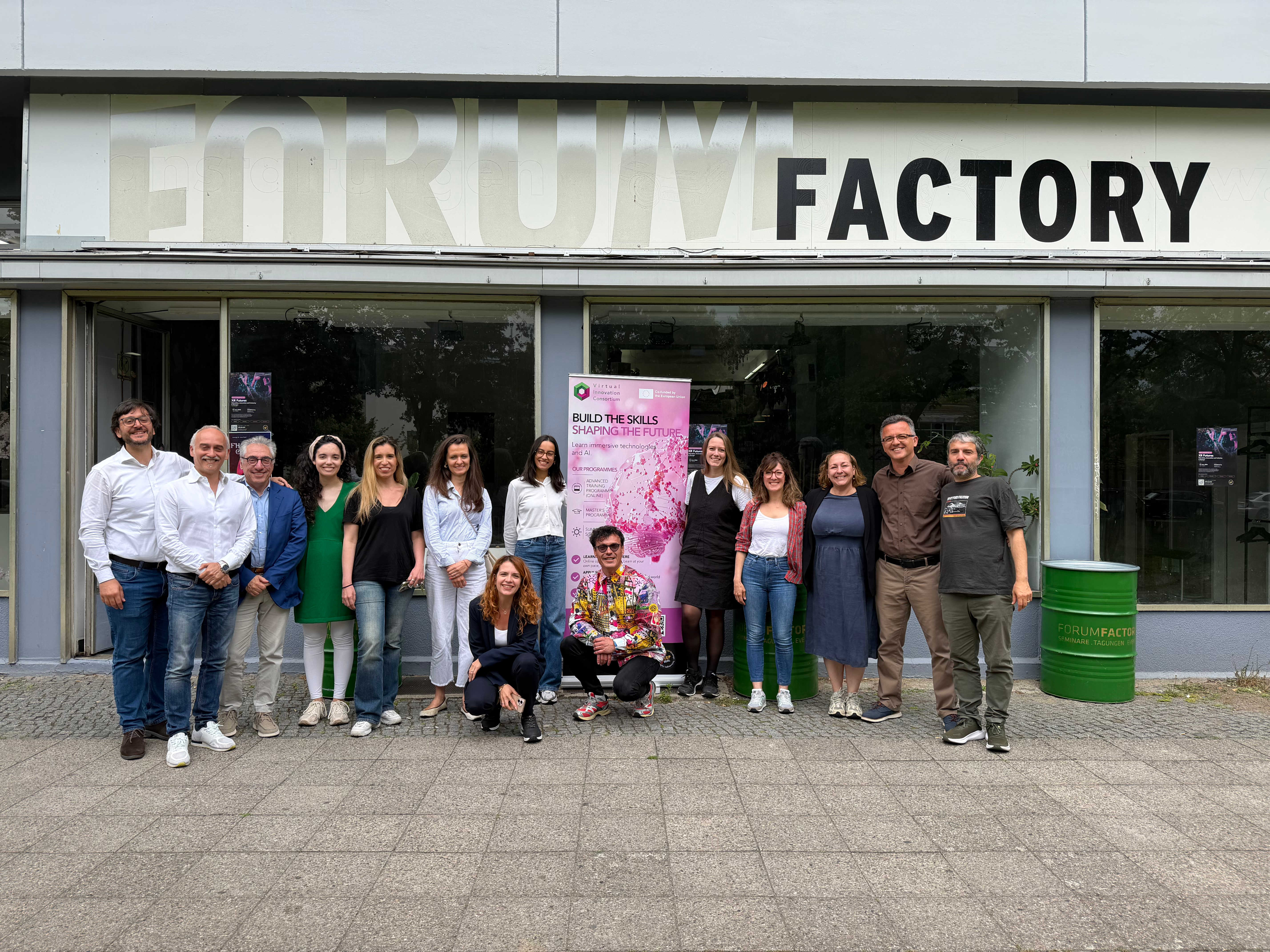
The day after the conference, on June 5th, the Virtual Innovation Consortium held its annual workshop, bringing together project partners to reflect on the consortium’s progress over the past year and align on priorities ahead. It was a fitting close to two days dedicated to advancing XR collaboration across Europe.
Unicis Platform
Ready to automate your GRC workflow?
Join teams using Unicis to manage privacy compliance, cybersecurity controls, and regulatory frameworks — all in one open-source platform.